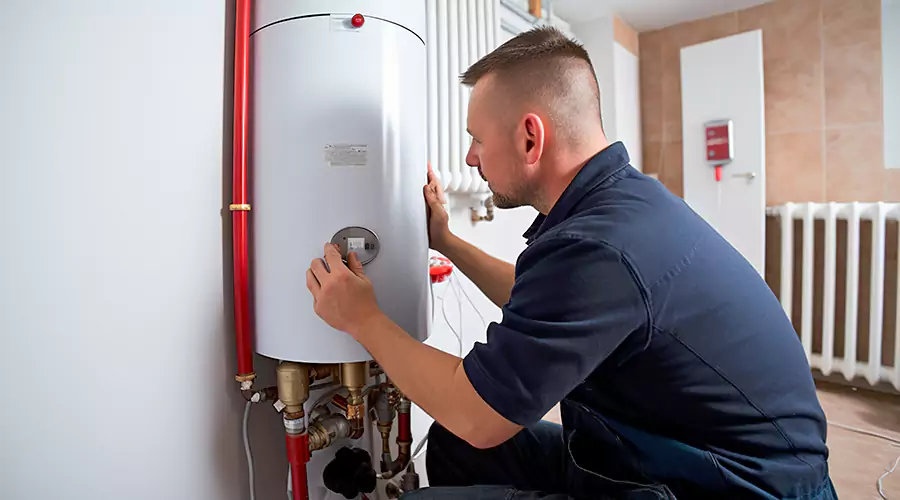



A leaking water heater can be one of the most unexpected and costly problems a homeowner faces. Because water heaters store large volumes of water under heat and pressure, even a slow leak can lead to severe water damage, flooding, mold growth, and structural issues if not spotted early. Knowing the early warning signs, the common causes of leaks, and how to prevent a flood from your water heater helps protect your home and wallet.
Water heaters typically last about 8–12 years, but over time parts wear out, corrosion develops, and pressure problems emerge. When a water heater begins to leak, the results can range from puddling around the unit to full‑scale basement flooding that ruins floors, walls, and belongings.
Not only do leaks cause physical damage, but they can also signal deeper problems — like corrosion inside the tank or malfunctioning safety components — that may require immediate attention or replacement.
Identifying a leak before it becomes a flood is essential. Watch for these early warning signs:
Moisture at the bottom of the water heater — especially if it appears after the unit has been idle — is often the first sign of a leak.
Rust on the tank, pipes, or fittings suggests that moisture issues have been present for a while. Corrosion eats away at metal surfaces and eventually leads to water escaping.
Noises such as rumbling, popping, or banging can indicate sediment buildup inside the tank. Sediment traps heat and causes uneven heating, which stresses the tank and accelerates corrosion — a common precursor to leaks.
If your hot water seems to run out faster than it used to, there may be internal issues with the heater that lead to leaks before you even see water on the floor.
A leak can cause your heater to work harder and longer to maintain temperature, which may show up as increased energy use or utility costs.
The temperature & pressure relief (T&P) valve may drip when pressure inside the tank gets too high. While occasional moisture is normal, continuous dripping usually means the valve isn’t functioning correctly.
Understanding why leaks happen helps you prevent them. Here are the main causes:
Inside the tank, a sacrificial anode rod attracts corrosive elements and protects the steel tank. Over time the anode rod wears out, leaving the tank vulnerable to rust and leaks.
Minerals in hard water settle at the bottom of the tank. Sediment restricts heat transfer, causes overheating at the base, and weakens the tank, increasing leakage risk. Annual flushing helps remove these deposits.
The T&P valve prevents dangerous pressure buildup. If it malfunctions or water pressure is too high, water can discharge from the valve and drip continuously.
Water heaters have several connections for cold water inlet, hot water outlet, and drain valves. Over time these can loosen and allow water to seep out.
Excessive water pressure puts stress on the tank and fittings. Keeping pressure in the 40–60 PSI range helps avoid leaks caused by overpressure.
Older units are simply more prone to leaks due to long‑term stress, corrosion, and weakened seals. If your heater is over 10–15 years old, consider replacement before major leaks start.
Preventive maintenance significantly reduces the chances of a leak causing a flood:
Regular Visual Inspections
Check around your water heater monthly for moisture, rust, or unusual sounds. Catching changes early prevents small leaks from becoming floods and ensures timely Flood Cleanup if needed.
Annual Tank Flushing
Draining a few gallons of water from the tank once a year removes mineral sediment that promotes corrosion and internal stress.
Test the T&P Valve
Once a year, lift the T&P valve lever and let some water flow to ensure it operates correctly. If water continues to drip afterward, the valve may need replacement.
Inspect and Replace the Anode Rod
Anode rods are inexpensive but critical. Inspect them every 2–3 years and replace if heavily corroded.
Tighten Valves and Connections
Ensure the drain valve and all inlet/outlet connections are secure. Replace worn components promptly.
Install Leak Detection and Shut‑Off
Consider adding a leak detection alarm or automatic shut‑off valve. These systems shut the water supply when a leak is detected, preventing large‑scale flooding even if you’re away.
Maintain Proper Pressure
Use a pressure regulating valve (PRV) to keep home water pressure within safe limits and reduce stress on your water heater.
Replace Old Units
When a water heater approaches the end of its expected life — usually 10–15 years — replacing it before failure can save you from sudden leaks and flooding.
If you notice persistent leaks, corrosion on the tank, bulging metal, or puddles that don’t dry after tightening connections, it’s time to call a licensed plumber. Some issues — like internal tank cracks — cannot be repaired and require unit replacement. Early professional intervention can save thousands in subsequent home repairs.
Water heater leaks often start small, but they can lead to big problems if ignored. Watch for early warning signs like puddles, rust, unusual noises, or dripping from valves. Understand common causes such as corrosion, sediment buildup, and faulty parts, and follow regular maintenance steps to prevent a flood. Proactive inspection and preventive care help extend your heater’s life and protect your home from costly water damage.
Our certified experts are ready 24/7 to assist you with emergency restoration services.
GET A QUOTE